Introduction
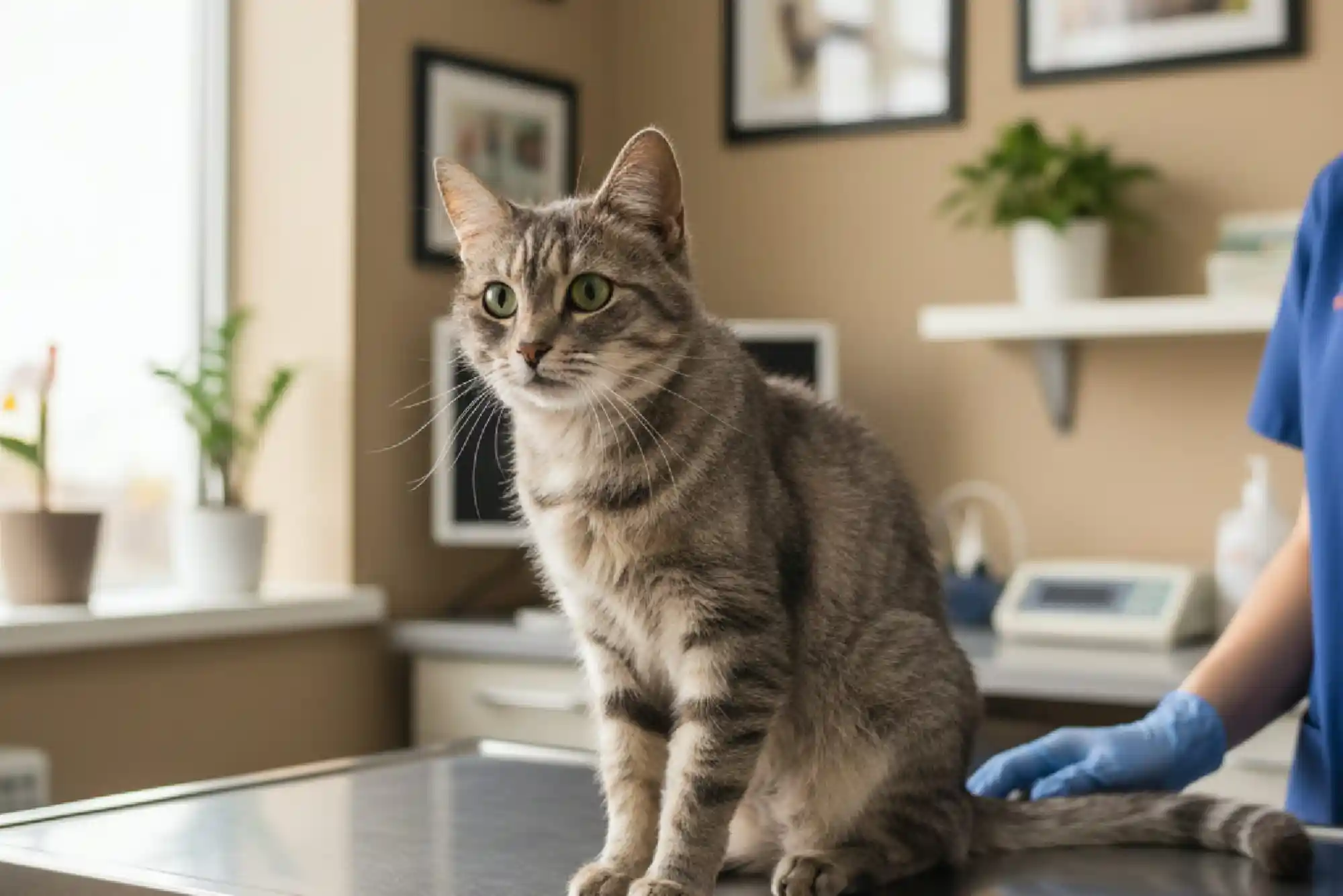
Managing Feline Chronic Kidney Disease (CKD) Stage 3 & 4 requires dedicated, proactive care to maintain your cat’s comfort and vitality. When a cat reaches these advanced stages, their kidneys can no longer efficiently filter toxins or balance bodily fluids. This leads to common complications like severe dehydration, nausea, lethargy, and dangerous spikes in blood phosphorus levels. Understanding the role of targeted supportive care is critical for every pet parent facing an advanced kidney diagnosis.
Two essential treatments form the cornerstone of managing advanced feline kidney decline: subcutaneous fluids and dietary phosphorus binders. Administering fluids under the skin directly addresses chronic dehydration and helps flush accumulated metabolic waste from the bloodstream. Simultaneously, phosphorus binders work inside the digestive system to prevent toxic phosphorus accumulation, which slows tissue damage and reduces malaise. Together, these daily interventions significantly ease the burden on impaired kidneys and help cats feel substantially better.
Understanding Feline Chronic Kidney Disease (CKD) Stage 3 & 4
Feline Chronic Kidney Disease is a progressive condition characterized by the gradual loss of functional renal tissue over time. Veterinarians classify the severity of kidney decline using the International Renal Interest Society (IRIS) staging system, which relies on blood creatinine and symmetric dimethylarginine (SDMA) levels. Stages 1 and 2 represent early, often asymptomatic kidney changes, whereas Stages 3 and 4 indicate advanced, critical renal impairment.
In IRIS Stage 3 (Moderate CKD), blood creatinine levels range between 2.9 and 5.0 mg/dL, indicating that roughly 75% of kidney function has been permanently lost. Cats in Stage 3 frequently exhibit visible symptoms such as increased thirst, frequent urination, weight loss, selective appetite, and occasional vomiting. IRIS Stage 4 (Severe CKD) represents end-stage kidney failure, where creatinine levels rise above 5.0 mg/dL, causing severe uremia, mouth ulcers, profound weakness, and pronounced muscle wasting.
The Vital Role of Subcutaneous Fluids in Advanced Feline CKD
As kidney function deteriorates, the organs lose their ability to concentrate urine, leading to massive fluid loss through excessive urination. Even if a cat drinks water constantly, they simply cannot consume enough liquid orally to compensate for these continuous losses. Consequently, chronic subclinical dehydration becomes a permanent state for cats with advanced kidney failure, worsening nausea and causing severe lethargy.
Subcutaneous (SQ) fluid therapy involves administering balanced electrolyte solutions directly into the space beneath the cat’s skin. The cat’s body slowly absorbs this fluid pocket over several hours, effectively replenishing hydration without overloading the cardiovascular system. Regular fluid administration dilutes circulating blood urea nitrogen (BUN) and creatinine, easing the systemic toxic burden and significantly improving appetite and activity levels.

How to Administer Subcutaneous Fluids at Home Safely
Administering fluids at home can feel intimidating at first, but establishing a gentle, predictable routine makes the process smooth and stress-free. Always warm the fluid bag in a bowl of warm water before administration, as cold fluids cause discomfort and chills. Select a comfortable, quiet location in your home where your cat feels safe, such as a cozy bed or table covered with a soft towel.
Hang the fluid bag roughly two to three feet above your cat using an IV pole or coat hanger to ensure good gravity flow. Gently pinch the loose skin over the shoulder blades to create a tented area, then insert a fresh, sharp 18-gauge or 20-gauge needle smoothly into the center. Open the roller clamp fully, let the fluids flow, and reward your cat with soft praise and a favorite treat once the session is complete.
Managing Phosphorus Levels with Phosphorus Binders
Phosphorus balance is tightly regulated by healthy kidneys, which filter out excess amounts through urine. When renal function drops significantly in Stages 3 and 4, the body loses the capacity to excrete phosphorus, leading to a condition called hyperphosphatemia. High serum phosphorus directly accelerates kidney tissue damage, triggers painful renal hyperparathyroidism, and makes cats feel chronically ill and nauseated.
While switching to a prescription renal diet is the first step in reducing dietary phosphorus intake, advanced stage cats often need additional help. When a renal diet alone cannot keep blood phosphorus within target levels, veterinarians prescribe oral phosphorus binders. These medications act like sponges inside the gastrointestinal tract, binding to phosphorus in food before it can enter the bloodstream.
How to Administer Phosphorus Binders Effectively
For phosphorus binders to work correctly, they must mix directly with food in the stomach during digestion. Mixing the binder thoroughly into wet renal food or a small spoon of high-value treat right before mealtime ensures maximum effectiveness. If a binder is given on an empty stomach, it cannot trap dietary phosphorus and will be largely ineffective at lowering blood levels.
Many cats are notoriously pickier with food when their kidney disease advances, making flavorless or palatable powder formulations ideal. If your cat eats multiple small meals throughout the day, divide the total daily binder dose proportionally across those meals. Regular blood work every two to three months allows your vet to fine-tune the binder dosage, ensuring phosphorus levels remain in a safe, healthy range.
Combining Fluids, Binders, and Holistic CKD Management
Subcutaneous fluids and phosphorus binders work synergistically to stabilize advanced feline kidney disease, but they are most effective within a total care plan. Managing Stage 3 and Stage 4 CKD requires addressing other common complications such as potassium loss, high blood pressure, anemia, and chronic nausea. Combining fluid therapy and binders with anti-nausea medications and appetite stimulants helps keep your cat feeling comfortable and willing to eat.
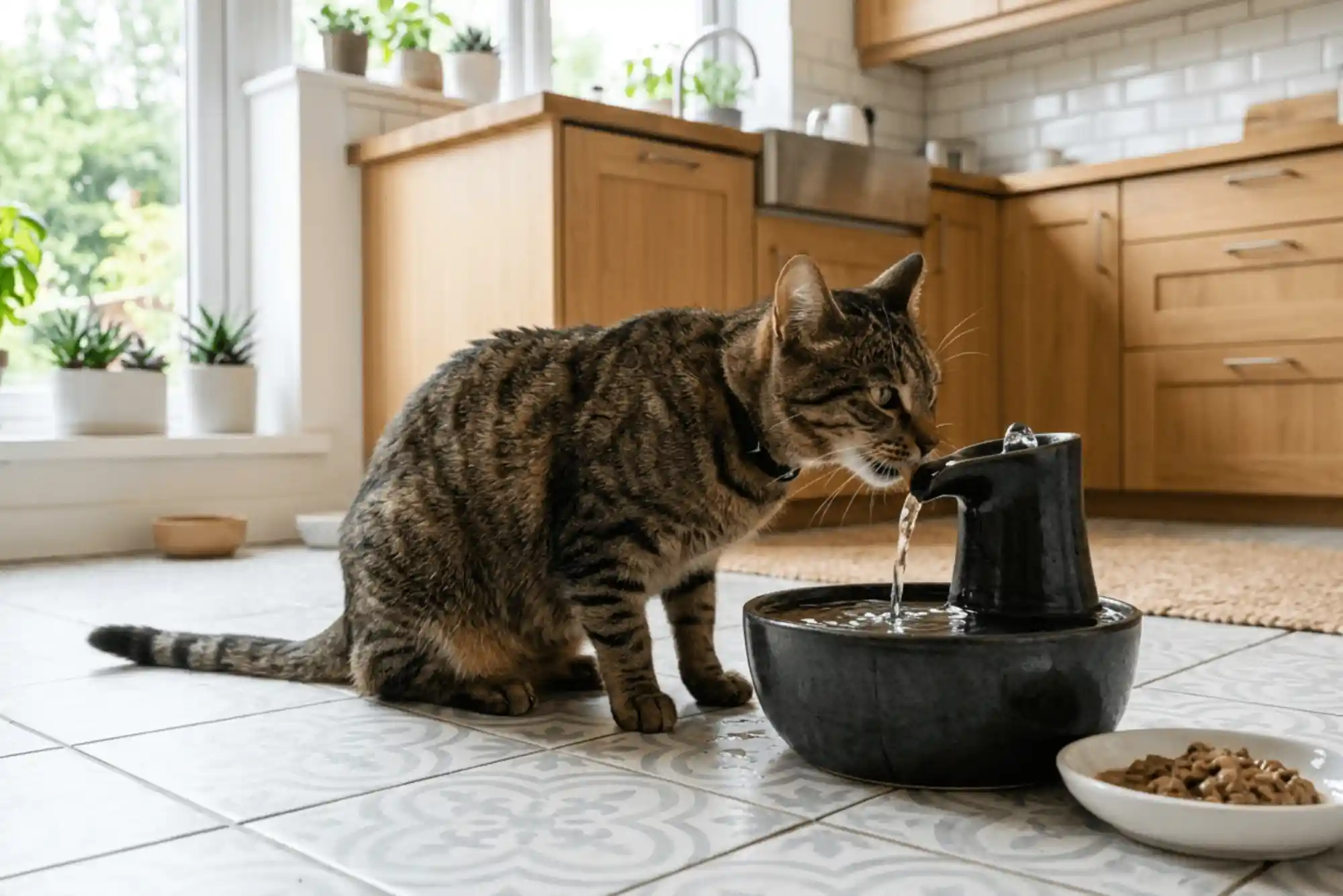
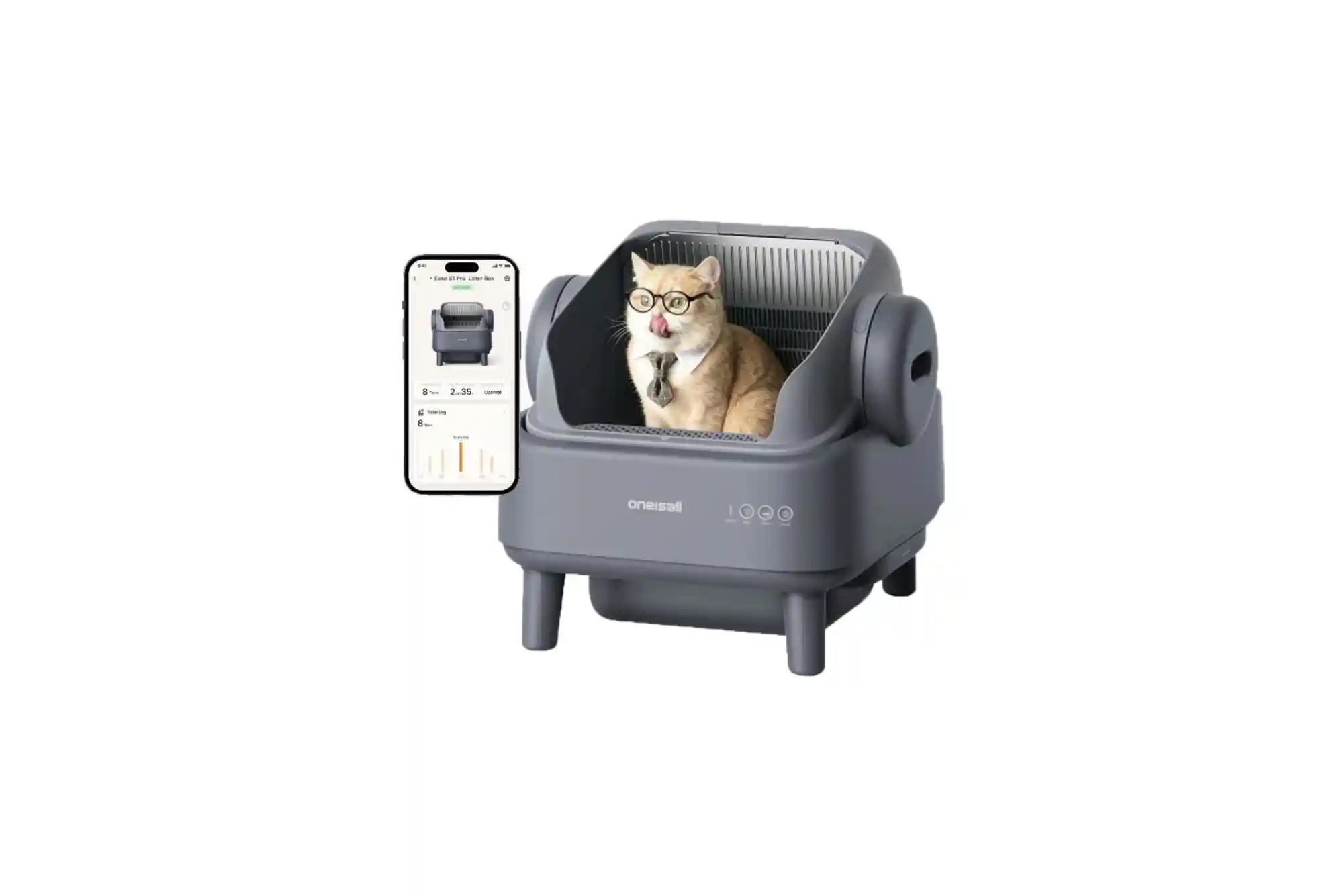
Monitoring your cat at home provides crucial data that guides veterinary treatment adjustments over time. Keep a daily log tracking fluid volume given, food intake, body weight, energy levels, and litter box habits to catch minor health shifts early. Equally important is maintaining a stress-free environment with low-entry litter boxes, warm beds, and water fountains in easily accessible areas throughout your home.
Frequently Asked Questions
How long can a cat live with Stage 3 or 4 kidney failure?
Survival time varies based on age, overall health, and response to treatment. Cats with Stage 3 CKD often live anywhere from one to three years with consistent fluid therapy and dietary support. Stage 4 prognosis is more guarded, but many cats live comfortably for several months to a year or more with dedicated daily care.
How do I know if my cat needs subcutaneous fluids?
Your veterinarian determines fluid needs based on physical exam findings, skin tenting, blood work, and urine specific gravity. Common signs that your cat needs fluids include persistent lethargy, dry gums, sunken eyes, loss of skin elasticity, and decreased appetite due to accumulated metabolic waste.
Can I give my cat phosphorus binders without a prescription?
You should never give phosphorus binders without veterinary guidance and recent blood work. Giving binders to a cat with normal or low phosphorus levels can lead to dangerous electrolytic imbalances. Your vet needs to monitor serum phosphorus levels regularly to determine the precise dosage and binder type.
What happens if a fluid pocket does not absorb?
If the fluid pocket from a previous session remains unabsorbed after 12 to 24 hours, do not give another fluid dose. Unabsorbed fluids can indicate overhydration or underlying cardiovascular issues. Contact your veterinarian immediately for guidance before administering any further subcutaneous fluids.
Caring for Your Kidney Cat with Confidence and Compassion
Navigating Feline Chronic Kidney Disease Stage 3 & 4 is an emotional journey, but proactive supportive care truly transforms your cat’s daily life. Administering subcutaneous fluids restores critical hydration and helps eliminate toxins, while phosphorus binders protect remaining renal tissue from further chemical damage. Together, these essential therapies empower you to manage advanced kidney disease effectively right from the comfort of home.