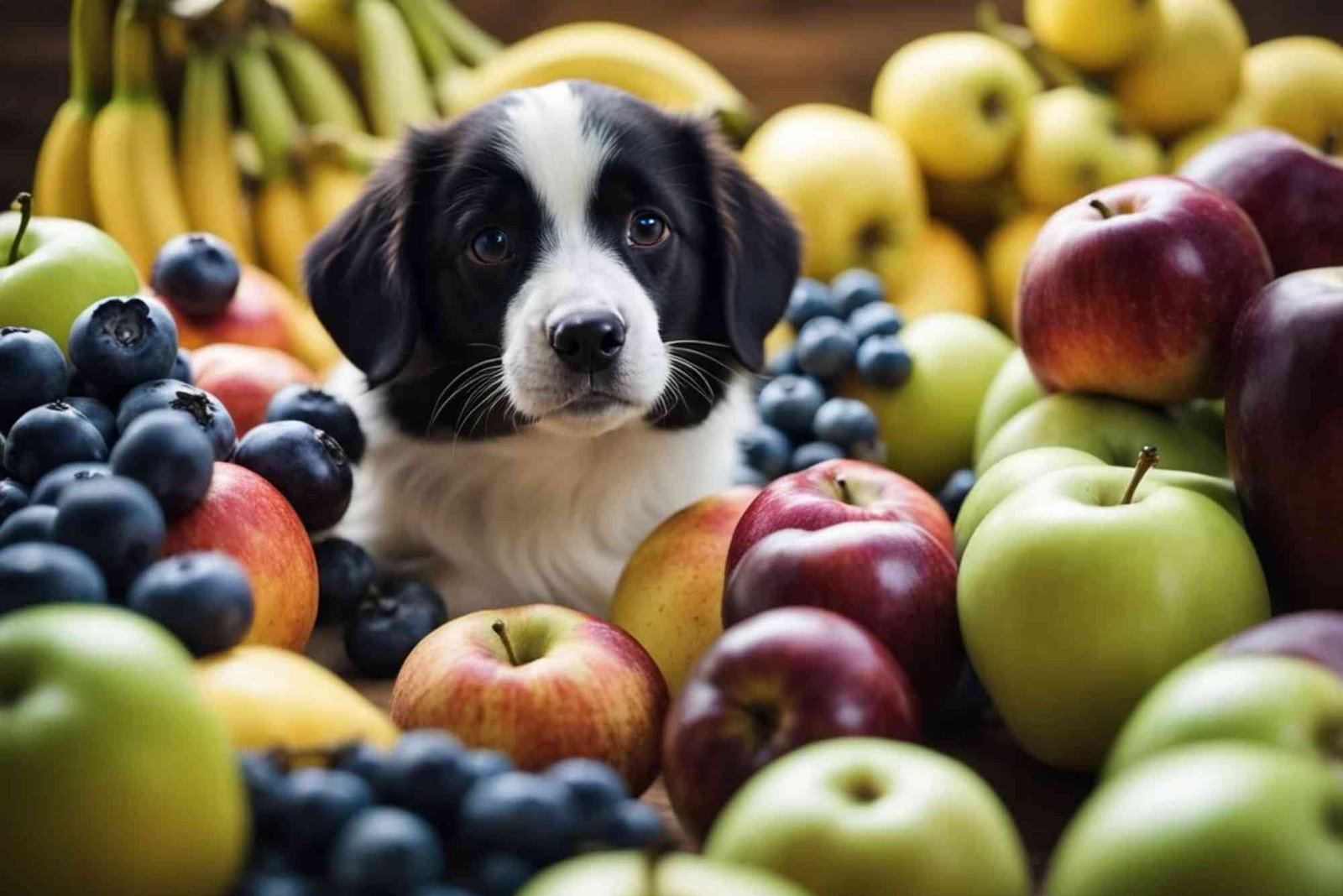
Can Dogs Eat Apples, Bananas, and Carrots? Fibre Benefits and Choking Hazard Prevention
Can Dogs Eat Apples, Bananas, and Carrots? Fibre Benefits and Choking Hazard Prevention is an important topic for dog owners. These everyday foods can be healthy treats when prepared correctly. However, safe feeding depends on portion size, preparation and your dog’s individual needs.
Apples, bananas and carrots contain useful nutrients and dietary fibre. They can add variety to a balanced canine diet. Still, fruit and vegetables should not replace a complete dog food.
The biggest concern is preparation. Large pieces can become choking hazards, while certain parts of these foods should never be given to dogs. Therefore, understanding safe serving methods is essential.
Can Dogs Eat Apples, Bananas, and Carrots? Fibre Benefits and Choking Hazard Prevention
Yes, most healthy dogs can eat apples, bananas and carrots in moderation. Each food offers different nutritional benefits. Nevertheless, treats should remain a small part of your dog’s overall diet.
Apples provide fibre and several vitamins. Bananas contain carbohydrates, potassium and natural sugars. Carrots provide fibre and useful plant nutrients while remaining relatively low in calories.
However, dogs have different nutritional requirements. A puppy, senior dog or dog with a medical condition may need different dietary choices. When uncertain, discuss new foods with your veterinarian.

Are Apples Safe for Dogs?
Plain apple flesh is generally safe for dogs when prepared properly. Always remove the core and seeds before serving. Apple seeds contain compounds that can release cyanide when chewed and digested.
The stem and core can also present choking or digestive risks. Therefore, never give your dog a whole apple to chew unsupervised.
Wash the apple thoroughly before preparation. Cut the flesh into small, manageable pieces that suit your dog’s size.
Apples also contain natural sugar. For this reason, portions should remain modest, particularly for dogs that need careful weight management.
Are Bananas Safe for Dogs?
Bananas can be an occasional treat for many dogs. They contain potassium, fibre and vitamin B6. Their naturally sweet taste also makes them appealing to many pets.
However, bananas contain more sugar and carbohydrates than some vegetables. Too much can contribute unnecessary calories or cause digestive upset.
Peel the banana before feeding it. The peel is difficult for dogs to digest and may cause gastrointestinal problems.
Small slices are usually easier to manage than large chunks. This is particularly important for puppies and small breeds.
Are Carrots Safe for Dogs?
Carrots are widely used as dog-friendly treats. They provide fibre and can be served raw or cooked. They also contain beta-carotene, which the body can convert into vitamin A.
Raw carrots can provide a crunchy texture that many dogs enjoy. However, hard, large pieces may create a choking risk.
Cooking carrots until they become softer can make them easier to chew. Avoid adding butter, salt, seasoning or sauces.
Regardless of preparation, supervise your dog while eating. Individual chewing habits vary considerably.
How Does Fibre Benefit Dogs?
Fibre plays an important role in normal digestive health. It can support healthy bowel movements and contribute to good stool consistency.
Soluble and insoluble fibres work differently. Some fibres absorb water and form a gel-like substance. Other fibres add bulk and support movement through the digestive tract.
Apples, bananas and carrots contain varying amounts and types of fibre. Therefore, they can contribute to dietary variety when offered appropriately.
However, more fibre is not automatically better. Excessive amounts can cause gas, loose stools or other digestive discomfort.
A complete commercial dog food should normally provide the nutritional balance your dog requires. Treat foods should complement that diet rather than dominate it.
Can Apples, Bananas and Carrots Cause Choking?
Yes, any solid food can potentially become a choking hazard. The risk depends on the food’s size, texture and your dog’s eating behaviour.
Dogs that swallow food quickly may face greater risks. Small breeds and dogs with dental problems can also struggle with large or hard pieces.
Therefore, preparation matters as much as the ingredient itself.
How to Prevent Choking When Feeding Fruit and Vegetables
Cut food into appropriately sized pieces. Small dogs generally need smaller pieces than large dogs.
Avoid round, firm chunks that can become lodged in the throat. Softer pieces are often easier for dogs to manage.
Always supervise your dog during treat time. Do not leave your pet alone with large pieces of fruit or vegetables.
For fast eaters, consider offering smaller portions slowly. You can also use appropriately designed enrichment equipment that encourages controlled eating.
A useful Modern Pet Equipment Guide can help owners understand how feeding equipment can support safer mealtimes.
Safe Serving Sizes for Apples, Bananas and Carrots
There is no single portion suitable for every dog. Size, age, activity level and existing diet all affect appropriate treat quantities.
The table below provides general guidance rather than a veterinary prescription.
| Food | Main Benefits | Preparation | Main Concern |
|---|---|---|---|
| Apple | Fibre and vitamins | Remove seeds and core; cut into small pieces | Seeds, core and choking |
| Banana | Fibre, potassium and vitamin B6 | Remove peel and serve small slices | Sugar and excessive portions |
| Carrot | Fibre and beta-carotene | Serve chopped, grated or softened | Hard pieces and choking |
Treats, including fruit and vegetables, should generally remain limited. A veterinarian can provide more precise guidance for dogs with special nutritional requirements.
What Is the Safest Way to Prepare These Foods?
Preparation should always start with thorough washing. This helps remove dirt and potential surface contaminants.
For apples, remove the core, seeds and stem. Then cut the flesh into small pieces.
For bananas, remove the peel completely. Slice the fruit into manageable portions.
For carrots, wash and remove any tough ends. Grating, chopping or lightly cooking them can make them easier to eat.
Never add ingredients such as chocolate, artificial sweeteners, excessive salt or heavily seasoned sauces. Some human-food ingredients can be dangerous for dogs.
Entpdubai can also provide broader pet-care information for owners looking for practical guidance about responsible pet ownership.
When Should Dogs Avoid These Foods?
Although these foods are generally safe, individual dogs may react differently. A sudden dietary change can cause vomiting, diarrhoea or excessive gas.
Dogs with certain health conditions may also require restricted diets. Dogs with diabetes, obesity or other nutritional concerns may need carefully controlled treats.
Food allergies are another consideration. If your dog develops itching, digestive problems or other unusual symptoms after eating a new food, stop offering it and contact your veterinarian.
Portion control is especially important. Healthy ingredients can still become unhealthy when fed excessively.
Can Puppies Eat Apples, Bananas and Carrots?
Puppies can often eat small amounts of suitable fruits and vegetables. However, their nutritional needs are more specific than those of adult dogs.
Their main diet should provide appropriate calories, protein, fat, vitamins and minerals for growth. Treats should therefore remain occasional.
Choking prevention is particularly important with puppies. Their smaller mouths make appropriately sized pieces essential.
Introduce one new food at a time. This makes it easier to identify the cause if digestive problems occur.
What About Dogs That Eat Too Quickly?
Fast eating can increase the risk of choking and digestive discomfort. Dogs that gulp treats may benefit from smaller pieces and slower feeding methods.
Avoid giving large chunks simply because they appear convenient. A dog may attempt to swallow them whole.
Supervision remains one of the simplest safety measures. Watch how your dog chews and adjust the food size accordingly.
Feeding equipment can sometimes encourage slower eating. However, it should always be appropriately designed for the dog’s size and eating behaviour.
Are There Other Safe Vegetables for Dogs?
Several vegetables can be suitable for dogs when prepared without harmful seasonings. However, safety varies between foods.
PetMD Canine Safe Vegetables is a useful reference for learning more about dog-friendly vegetable choices and appropriate preparation.
Even safe vegetables should be introduced gradually. Your dog’s tolerance matters more than simply following a generic list of foods.
Remember that treats should support, not disrupt, a balanced feeding routine.
Frequently Asked Questions
Can dogs eat apples every day?
Dogs can usually eat small amounts of apple, but daily feeding is not necessary. Apples contain natural sugar and should remain an occasional treat.
Always remove the seeds and core. Serve small pieces that your dog can comfortably chew.
Can dogs eat bananas every day?
Bananas can be given occasionally, but they should not become a major part of your dog’s diet. Their natural sugar and calorie content make portion control important.
Small slices are generally more appropriate than large pieces. Dogs with specific dietary needs may require different advice.
Can dogs eat raw carrots?
Yes, many dogs can eat raw carrots. However, large or hard pieces can become choking hazards.
Cut carrots into suitable pieces before serving. Softer or finely chopped carrots may be easier for some dogs to manage.
Can dogs eat apple skin?
Apple skin is generally digestible for many dogs when the apple is properly washed. Nevertheless, the core and seeds should always be removed.
If your dog has a sensitive stomach, peeled apple may be easier to tolerate.
Are banana peels safe for dogs?
Banana peels are not considered a suitable dog treat. They can be difficult to digest and may cause gastrointestinal discomfort.
Always remove the peel before giving banana to your dog.
What should I do if my dog chokes?
If your dog appears unable to breathe, cough or dislodge an object, seek emergency veterinary assistance immediately. Choking can become life-threatening very quickly.
Do not blindly push an object deeper into the throat. If possible, contact an emergency veterinary service while following professional instructions.
Conclusion
Can Dogs Eat Apples, Bananas, and Carrots? Fibre Benefits and Choking Hazard Prevention comes down to moderation, preparation and supervision. These foods can provide useful fibre and nutrients for many dogs.
Apples should be served without seeds, stems or cores. Bananas should always be peeled and portioned carefully. Carrots should be cut into suitable pieces to reduce choking risks.
Most importantly, these foods should complement a complete and balanced canine diet. Introduce new treats gradually and watch for digestive or allergic reactions.
If you want to offer healthier treats, start with small portions and observe how your dog responds. When your dog has specific dietary needs, speak with a qualified veterinarian before making major changes.
Related Reading: المسح الأرضي: أفضل الممارسات — full guide
Related Reading: الأولمبياد: أفضل الممارسات — full guide
Related Reading: Can Dogs Eat Apples, Bananas, and Carrots? Fiber Benefits and Choking Hazard Prevention